Trump Suspends the United States Refugee Program and Visa Entry from Several Countries
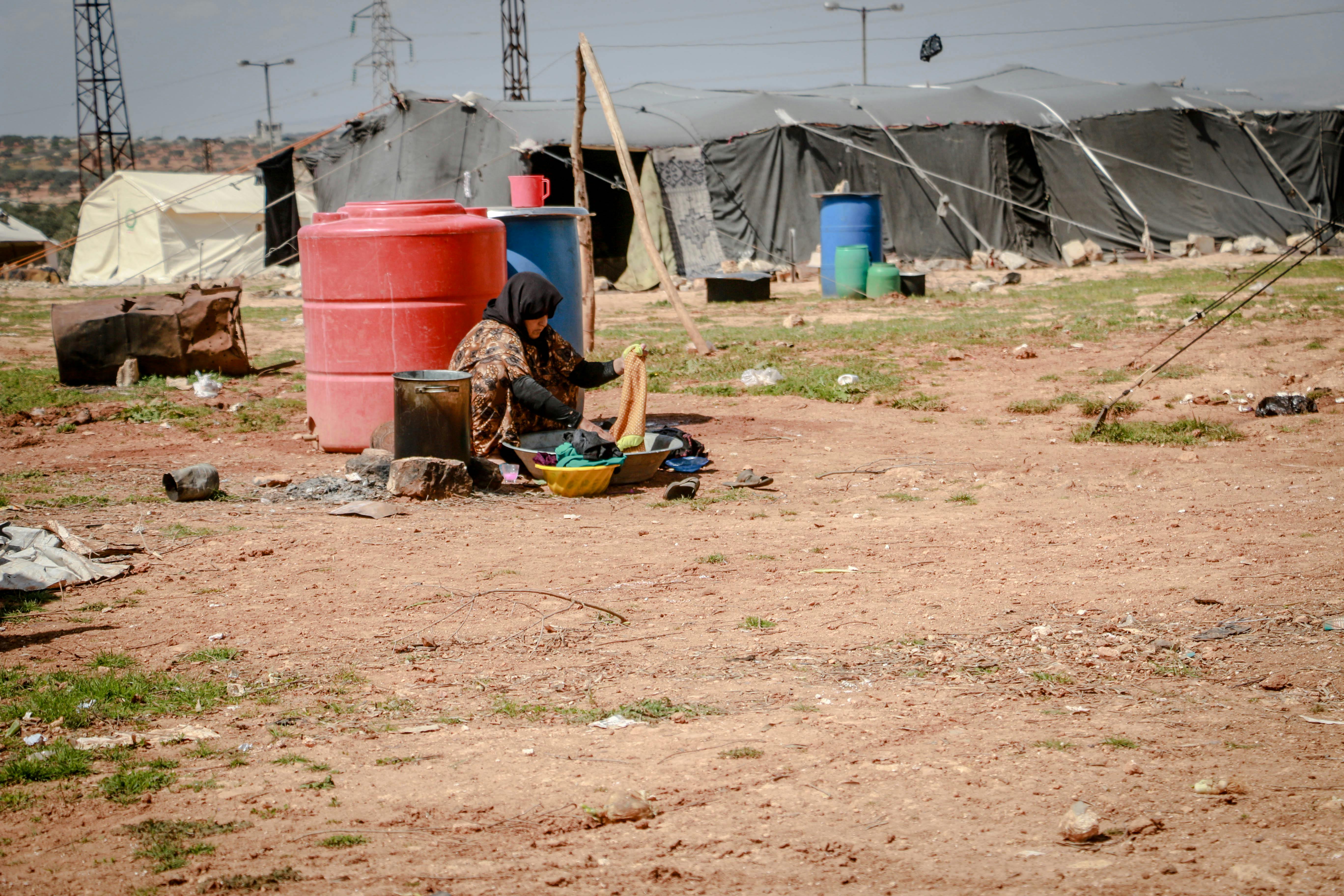
Image Source: Pexels
In the first week of his presidency, Donald Trump signed an executive order suspending the United States Refugee Program and Visa Entry from several countries. The suspension affects people who are looking to emigrate to the United States and people seeking to visit or visa versa with friends and family members. This article will explain how these executive orders affect you as an international student applying to study in the U.S., a foreign national hoping to work or live here permanently, and a person who has family or friends living in one of these countries. Read on to find out more about how the Trump administration’s policies will impact you, your friends, and your family members who are trying to visit or move to the United States at this time.
Trump’s Executive Order for a Visa Entry Ban
On January 27, 2017, Trump signed an executive order to temporarily suspend visa entry from six countries: Iran, Iraq, Libya, Somalia, Sudan, Syria, and Yemen. Citizens of these countries are prohibited from entering the U.S. on any visa type. This means that if you are a citizen of one of these countries and you have a tourist visa, student visa, or any other type of visa, you are prohibited from entering the U.S. and you should not travel there until further notice. This also means that if you are a citizen of one of these countries and you are currently in the U.S. on any visa type, you are required to leave the country as soon as possible. You will not be allowed to return.
Trump’s Executive Order for a Refugee Program Suspension
On January 27, 2017, Trump signed an executive order to suspend the U.S. Refugee Program for 120 days. During this time, the government will review the refugee application process and program. During the suspension, no new refugees will be admitted into the country. The suspension also prohibits refugees from Syria from being admitted into the United States until further notice. This also means that if you are currently in the United States and on a path to being admitted as a refugee and you are from Syria, you are required to leave the country as soon as possible. You will not be allowed to return.
Visa Entry Ban for People from 7 Countries
If you are a citizen of one of these seven countries and you hold a tourist visa, student visa, or any other type of visa, you are prohibited from entering the U.S. until the visa suspension is lifted. This also means that if you are a citizen of one of these seven countries and you are currently in the U.S. on any visa type, you are required to leave the country as soon as possible. You will not be allowed to return.
Visa Entry Ban for All Refugees
If you are a refugee with a pending application for admission to the United States and you are from any country, you are prohibited from entering the U.S. until the suspension is lifted. This also means that if you are a refugee with a pending application for admission to the United States and you are from any country, you are required to leave the country as soon as possible. You will not be allowed to return.
Visa Entry Ban for Iraqis Hoping to Visit the U.S.
If you are a citizen of Iraq and you are hoping to visit the United States on a tourist visa or any other type of visa, you are prohibited from entering the country until the visa suspension is lifted. This also means that if you are a citizen of Iraq and you are currently in the U.S. on any visa type, you are required to leave the country as soon as possible. You will not be allowed to return.
What This Means for Foreign Students and Scholars
If you are a citizen of one of the seven countries listed above and you are currently studying at a U.S. university on an F-1 student visa, you are prohibited from remaining in the U.S. and you should not travel back to your home country. You should instead, contact your university’s international student office and inform them of the situation so they can help you stay in the U.S. If you are a citizen of one of the seven countries listed above and you are currently enrolled in a U.S. university but do not have an F-1 visa, you are prohibited from remaining in the U.S. You should not travel back to your home country. Instead, you should visit your university’s international student office and inform them of the situation so they can help you stay in the U.S.
What This Means for Foreign Workers and Job Seekers
If you are a citizen of one of the seven countries listed above and you are currently in the United States on an H-1B Work Visa, you are prohibited from remaining in the country and you should not travel back to your home country. Instead, you should contact your employer’s HR department and inform them of the situation so they can help you stay in the U.S. If you are a citizen of one of the seven countries listed above and you are currently in the United States on an H-1B Work Visa but do not have a job, you are prohibited from remaining in the country and you should not travel back to your home country. Instead, you should visit your state’s Department of Labor website and inform them of the situation so they can help you stay in the U.S.
What This Means for Foreign Family Members of U.S. Citizens
If you are a citizen of one of the seven countries listed above and you have a valid U.S. visa, you are prohibited from entering the United States. You should not travel to the U.S. until the visa suspension is lifted. If you are a citizen of one of the seven countries listed above and you do not have a valid U.S. visa, you are prohibited from entering the United States. You should not travel to the U.S. until the visa suspension is lifted.
Conclusion
The Trump administration’s new policies have already caused panic and confusion among people around the world. The new policies may change again soon and the government has not provided any information on when the policies will be lifted. If you are a citizen of one of the seven countries listed above, you should not travel to the United States until further notice. If you are a citizen of one of the seven countries listed above, you should not travel to the United States until further notice. If you are not sure whether you are affected by these new policies, you should contact an immigration attorney or the Department of Homeland Security for clarification.